
Rolls-Royce Cullinan Leather Ceramic Coating in Lawrenceville, GA
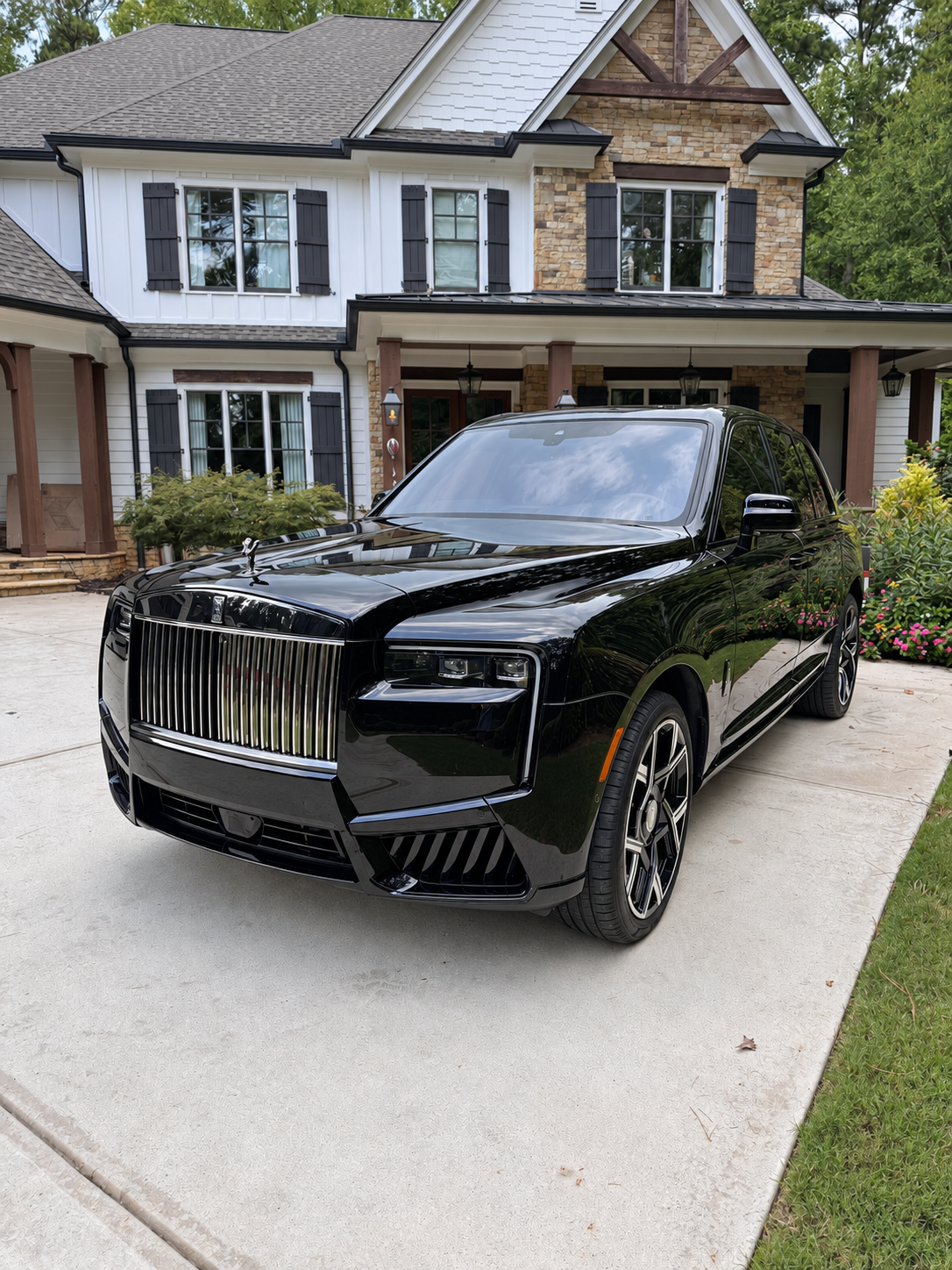
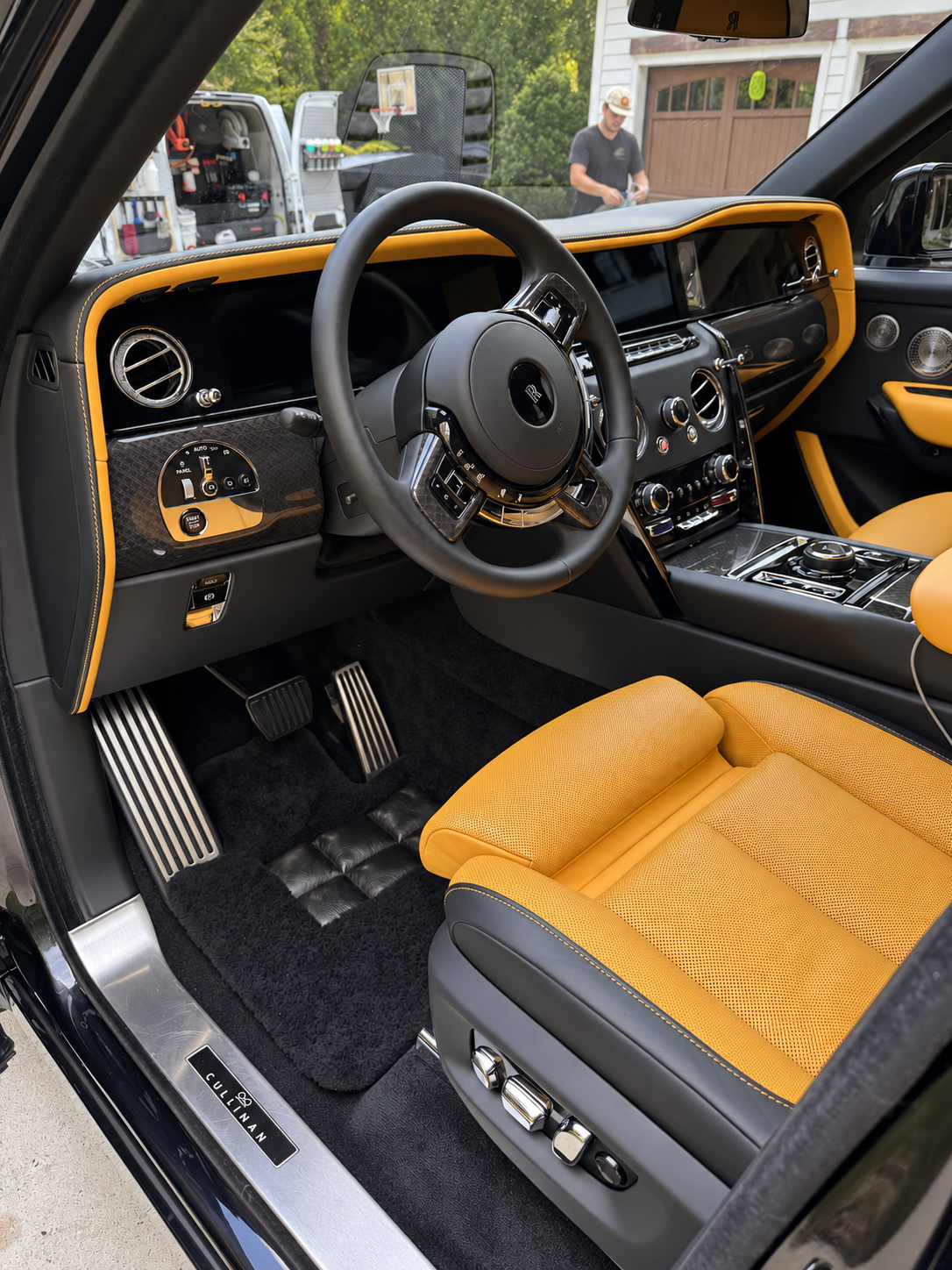
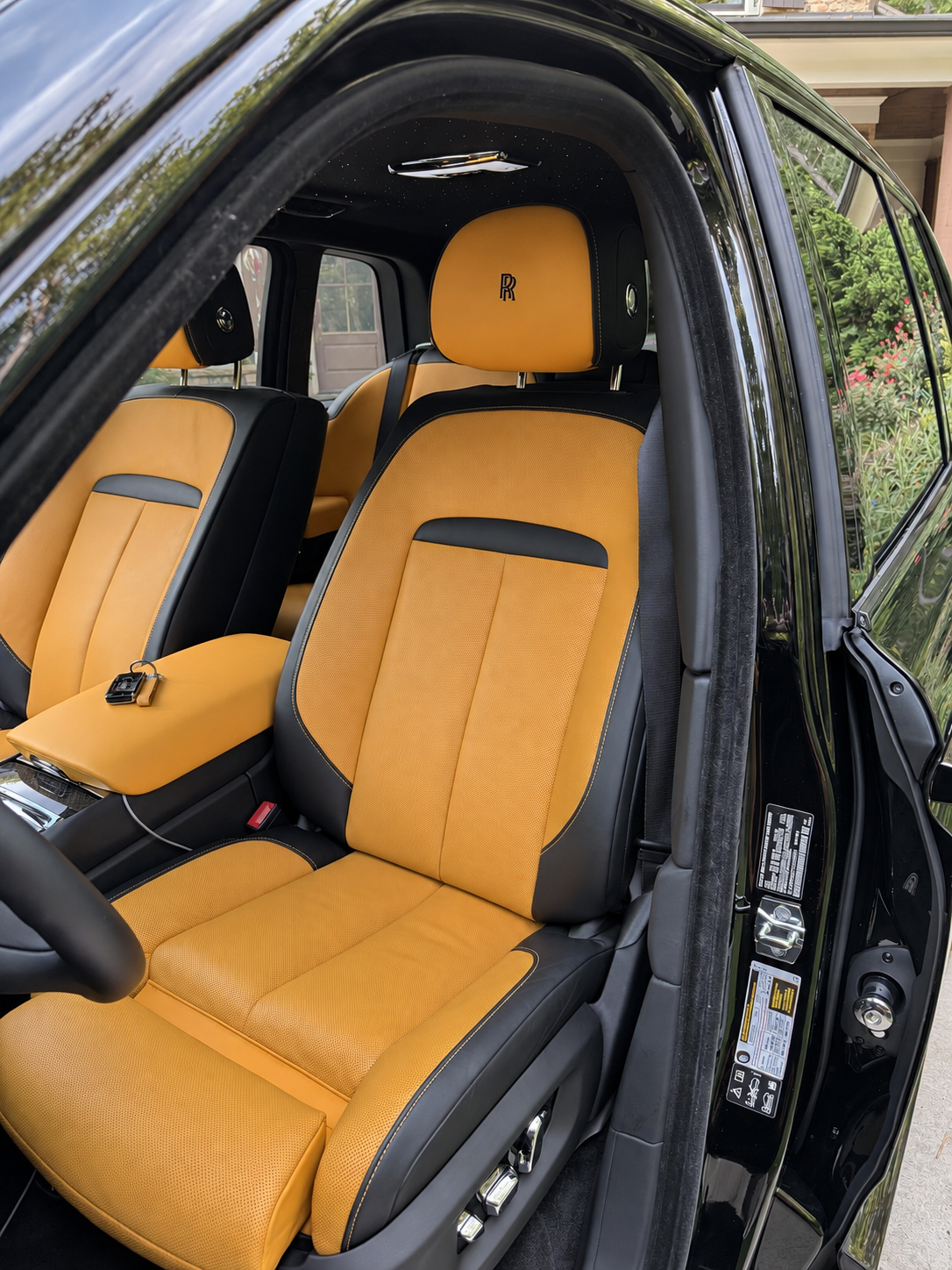
Luxury interiors are made to be used, but frequent driving still exposes leather to body oils, clothing dye, dust, spills, and repeated contact. For this Rolls-Royce Cullinan in Lawrenceville, Georgia, Gen. Detailing completed a mobile Standard Detail and applied a leather ceramic coating to the vehicle's distinctive two-tone interior.
The goal was not to make the leather look artificially glossy or claim that it could never be damaged. It was to clean the vehicle carefully, prepare the leather correctly, and add a protective layer designed to make routine care easier while preserving the interior's natural appearance.
Previously available only by request, leather ceramic coating is now a regular Gen. Detailing service available to customers with compatible leather interiors. Because preparation requirements can vary by material and condition, the exact process and price are confirmed for the specific vehicle rather than presented as a one-size-fits-all package.
What we completed on this Rolls-Royce Cullinan
This Cullinan received a Standard Detail along with leather ceramic coating. Our current Standard Detail is an inside-and-out routine clean that includes a full vacuum and interior wipe-down, interior and exterior windows, a hand wash with bug removal, wheel and tire cleaning, and door-jamb cleaning.
The leather coating was an additional protection step. Before any interior coating is applied, the surface must be properly cleaned and prepared. Coating over residue, body oils, or an incompatible dressing can interfere with the result. Preparation also gives the detailer an opportunity to inspect the leather's condition and identify wear, staining, cracking, or damage that a coating will not repair.
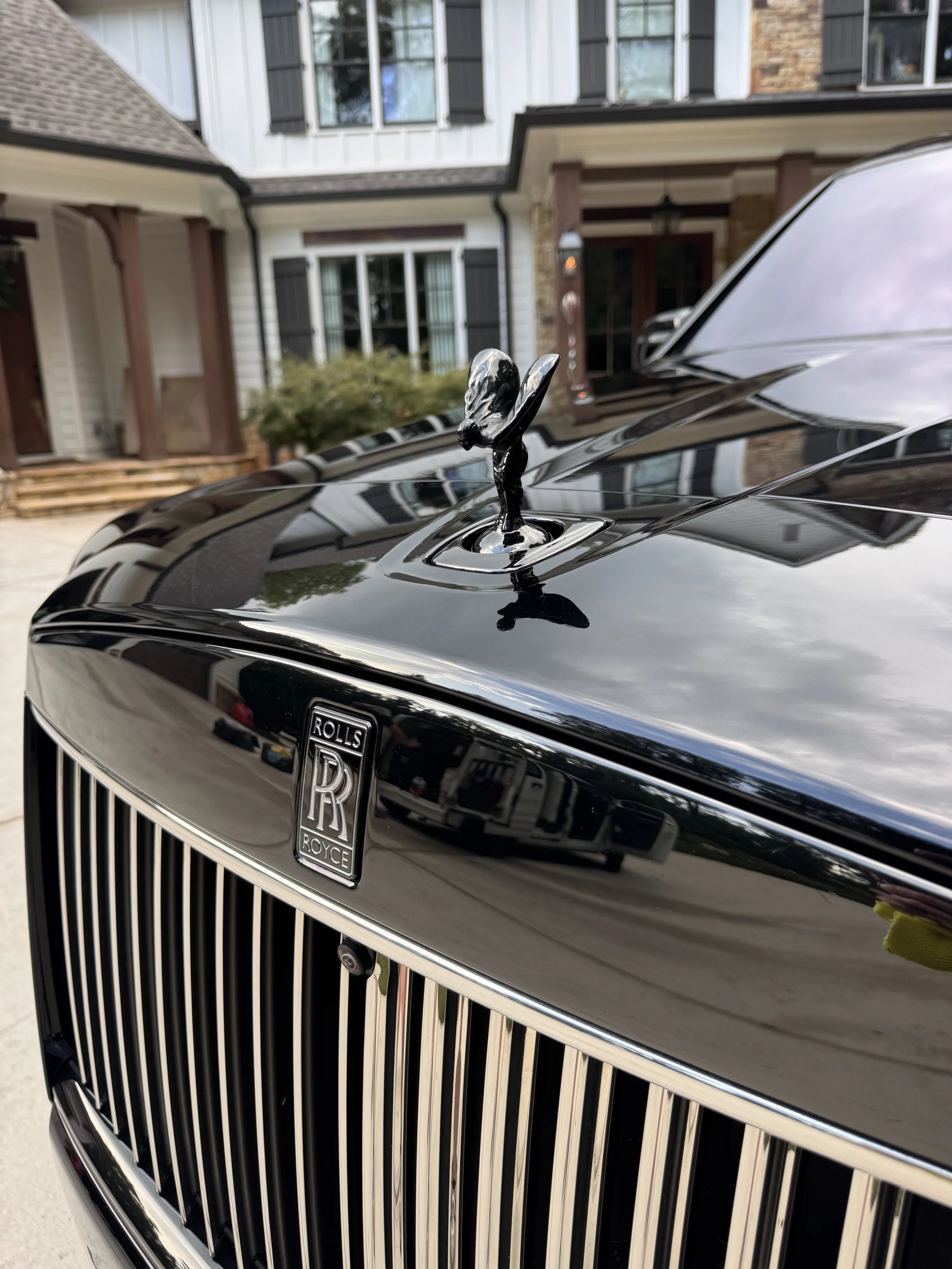
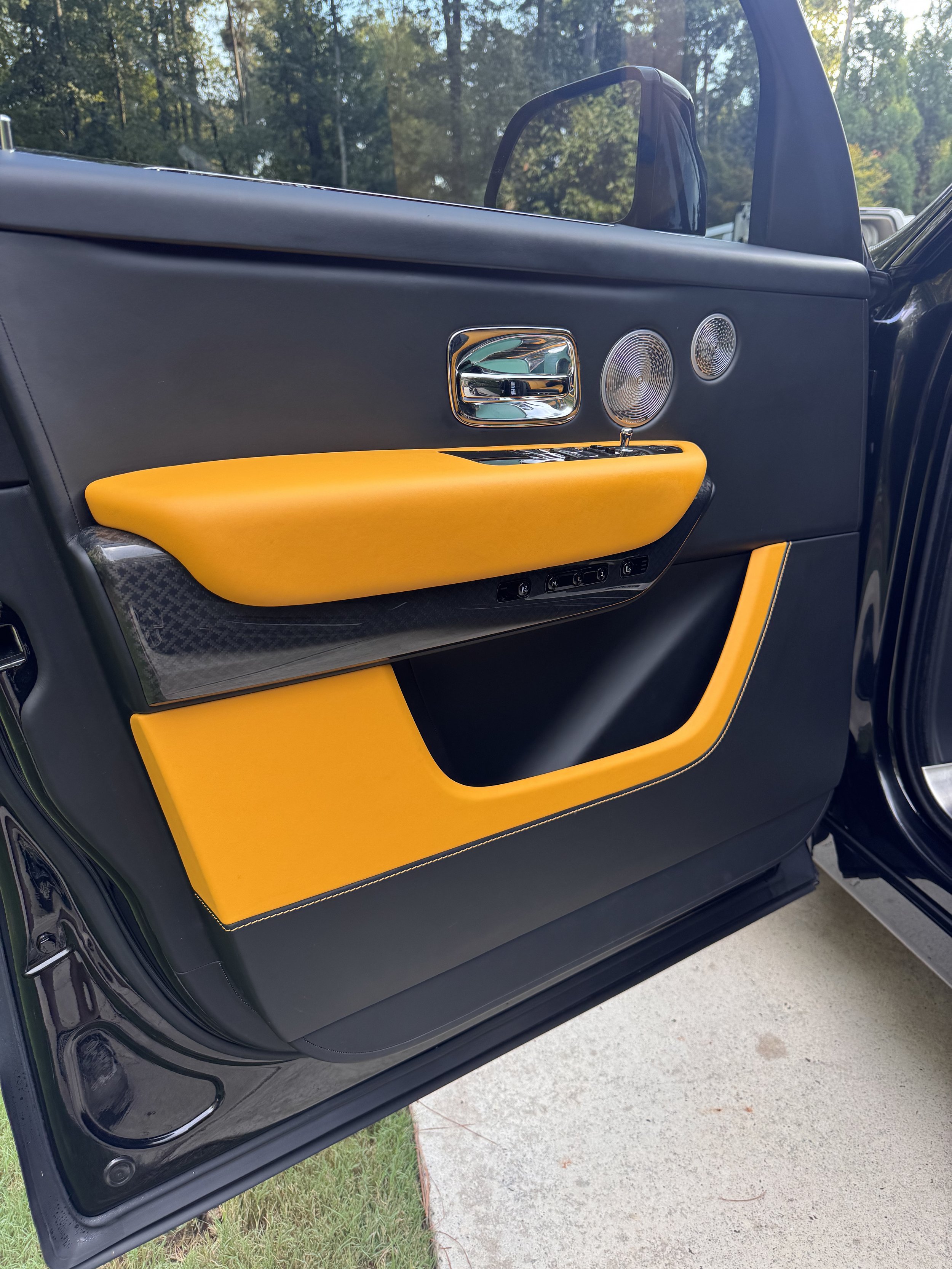
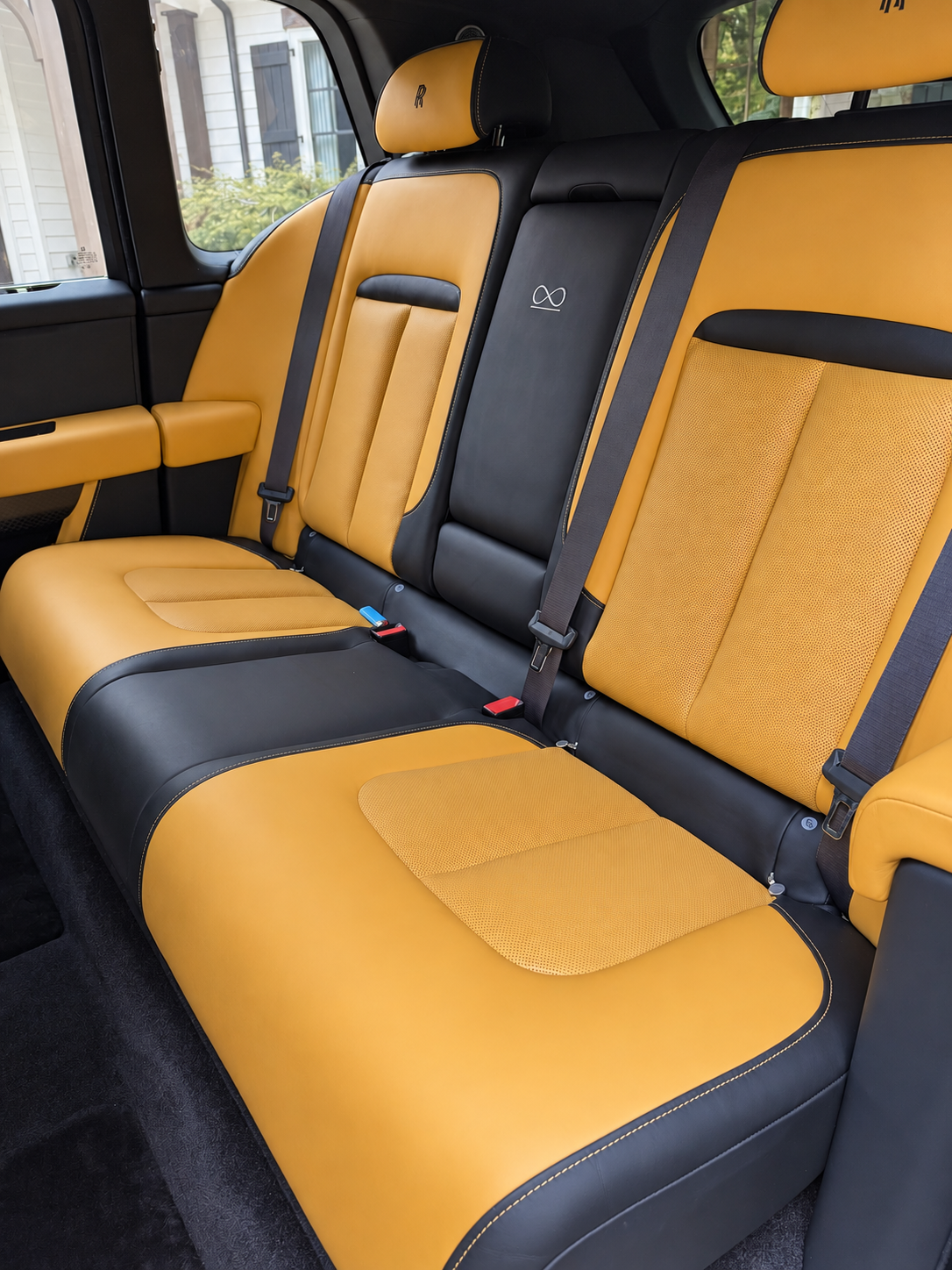
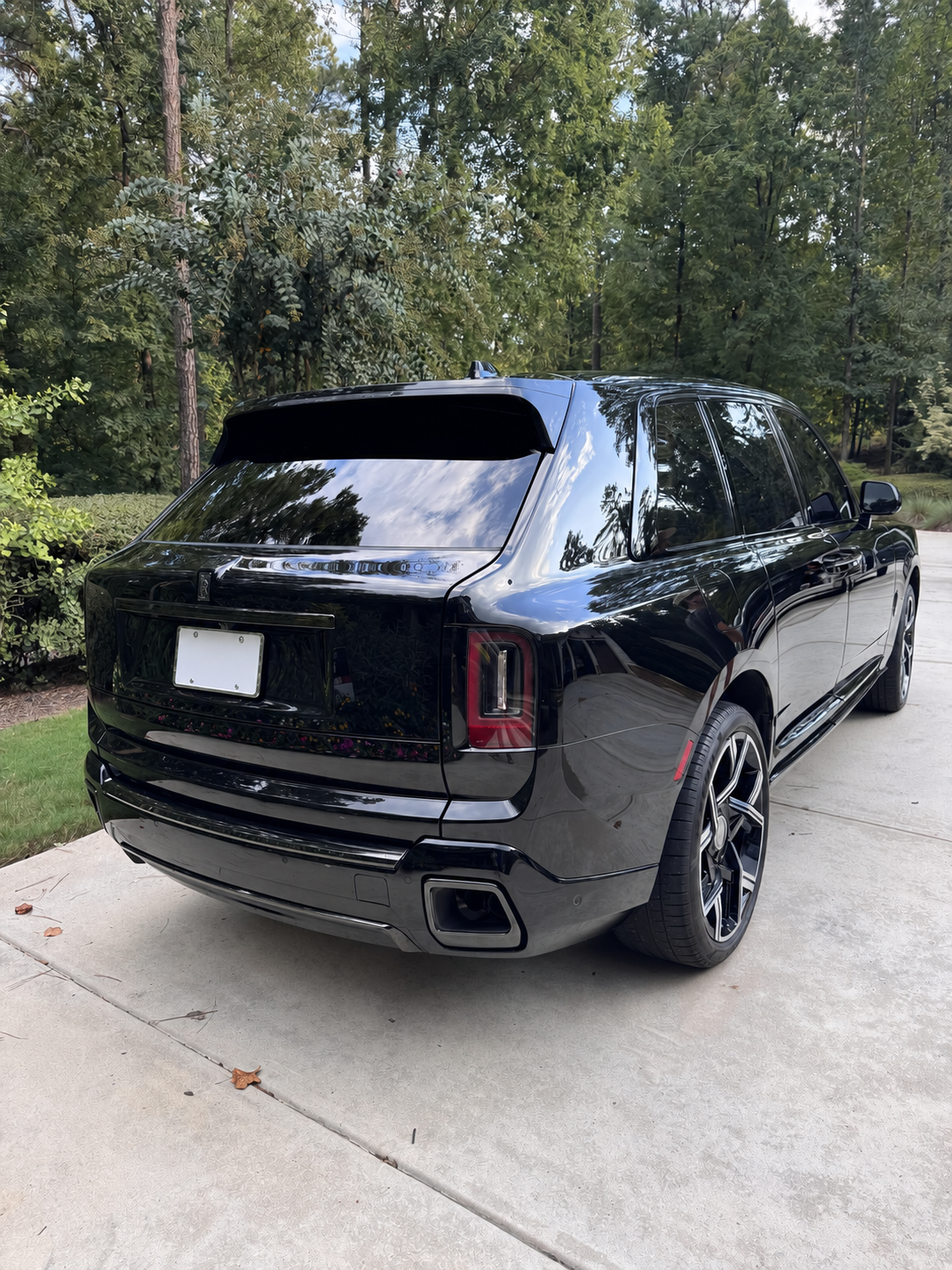
The finished photos show the Cullinan's warm ochre-and-black leather across the front seats, rear seats, dashboard trim, and door panels. These are completed-result photos rather than before-and-after comparisons, so the article does not claim a restoration that the photo set cannot document.
What does a leather ceramic coating do?
A professionally applied leather coating is designed to create a thin sacrificial layer over a compatible leather surface. Depending on the product, material, preparation, and ongoing care, that layer can help reduce direct contact between the leather and common contaminants such as body oils, light spills, grime, and clothing dye. It can also make routine wipe-downs more manageable.
That does not make the interior maintenance-free. A coated seat should still be cleaned with appropriate products and methods, and spills should be addressed promptly. The owner should also avoid harsh cleaners, abrasive brushes, and heavy dressings unless the coating manufacturer or installer confirms that they are compatible.
What leather coating cannot do
Leather ceramic coating is protection, not upholstery repair. It will not reverse cracking, remove deep dye transfer that has already penetrated the finish, repair torn leather, replace worn color, or prevent every scratch and stain. It also cannot compensate for poor preparation before application.
Clear expectations matter—especially on a luxury vehicle. The best result comes from evaluating the leather first, correcting what can reasonably be corrected, and then choosing protection that fits the material and the owner's maintenance habits.
Why leather protection can be useful on a daily-driven luxury SUV
A Rolls-Royce Cullinan combines high-end materials with the practical use of a full-size SUV. Seats, bolsters, armrests, and door pulls still receive regular contact, and lighter or richly colored leather can make transfer and buildup easier to notice.
For owners who want to preserve a carefully finished cabin, leather coating can be a useful addition to professional detailing. It is particularly worth considering when the vehicle is driven often, carries passengers regularly, or has leather colors that the owner wants to keep easier to maintain.
The decision should still be based on the specific interior. Different leather finishes and previously applied products may require different preparation, and not every surface should automatically receive the same treatment.
Mobile luxury car detailing in Lawrenceville
This service was completed in the Lawrenceville area as part of Gen. Detailing's Atlanta-market mobile coverage. Bringing the service to a suitable home or work location reduces the time the owner spends transporting and waiting on the vehicle while still allowing the detailer to evaluate its real condition.
Gen. Detailing serves downtown Lawrenceville, Sugarloaf, Bethesda, Dacula, Grayson, and surrounding communities. Learn more about our mobile car detailing in Lawrenceville, or compare the current car detailing services and starting prices.
How to care for coated automotive leather
After application, follow the specific cure and care instructions provided for the coating used on the vehicle. Once the coating is ready for normal use, a few habits can help protect the result:
Remove spills and visible transfer promptly rather than allowing them to remain on the surface.
Use a soft microfiber towel and a cleaner confirmed to be safe for the leather and coating.
Avoid aggressive scrubbing, stiff brushes, and strong all-purpose cleaners.
Skip oily or glossy dressings unless they are confirmed to be compatible.
Schedule periodic cleaning based on how often the vehicle is used and what the seats are exposed to.
There is no universal maintenance interval for every interior. Vehicle use, leather color, passengers, pets, climate, and parking conditions all affect how quickly cleaning is needed.
Frequently asked questions
Is leather ceramic coating the same as exterior paint coating?
No. Both are commonly described as ceramic coatings, but interior leather and exterior paint are different materials with different preparation, application, and maintenance requirements. A product intended for paint should not be assumed to be appropriate for leather.
Does leather coating make seats shiny or slippery?
A properly selected and applied interior coating should be chosen with the original material and desired finish in mind. The exact look and feel can vary by product and leather type, so the installer should confirm expectations before application. This Cullinan's completed interior retained a natural-looking, low-gloss presentation.
Will leather coating stop all dye transfer and staining?
No coating makes leather stain-proof. A coating may help reduce direct contact and make some contamination easier to clean, but prompt maintenance still matters. Dark denim, spills, body oils, and abrasive contact can still affect an interior.
Can leather coating repair worn or cracked seats?
No. Coating does not repair cracks, tears, missing color, or structural wear. Existing damage should be evaluated separately before protection is applied.
Is leather coating only for exotic or luxury vehicles?
No. It can be considered for many vehicles with compatible leather or coated-leather surfaces. The more important questions are the material's condition, the owner's goals, and whether the preparation and product are appropriate.
How do I request a quote in Lawrenceville?
Use the ceramic-coating quote form and include the vehicle year, make, model, location, interior condition, and the surfaces you want evaluated. Because the current public form is centered on exterior coating packages, note leather ceramic coating in the description so the team can prepare the correct recommendation.
Request leather ceramic coating in Lawrenceville
If you want an easier-to-maintain interior without exaggerated promises, start with an evaluation of the leather and your service goals. Gen. Detailing can inspect the vehicle, explain the preparation required, and confirm the right leather-coating process for your interior.
